
Introduction
There was a development involving “Notepad++,” the long-beloved standard text editor for Windows, that many Mac users had been hoping for. A macOS port based on the Notepad++ codebase was released, and it drew attention because it ran as a native application. However, the discussion did not center on the technical achievement alone. The original Notepad++ project took issue with the project’s name, logo, and overall presentation, arguing that they gave the impression of being an official Mac version from the original source, which led to concerns over trademark infringement and user confusion. Notepad++ has explicitly identified itself as software for Windows, and Don Ho later stated that “Notepad++ has never released a macOS version.”
The Core Issue Was Not “Creating a Mac Version”
The first point that should be understood in this controversy is that the central issue was not the port itself. On Notepad++’s official resources page, it is explained that under the GNU GPL, users are allowed to access the source code, modify it, and distribute modified versions. In other words, creating a derivative project based on the code is entirely within the rules of open source.
So why did the situation escalate? The key issue was under what name and with what appearance the project was published. In the concerns raised on GitHub, it was pointed out that the macOS version’s website and project presentation used the original project’s name and logo, and were structured in a way that made Don Ho appear to be involved. The Notepad++ side also explained that the problem was not the open-source code itself, but rather the use of trademarks and a presentation likely to cause confusion.
Open Source and Trademarks Are Governed by Different Rules
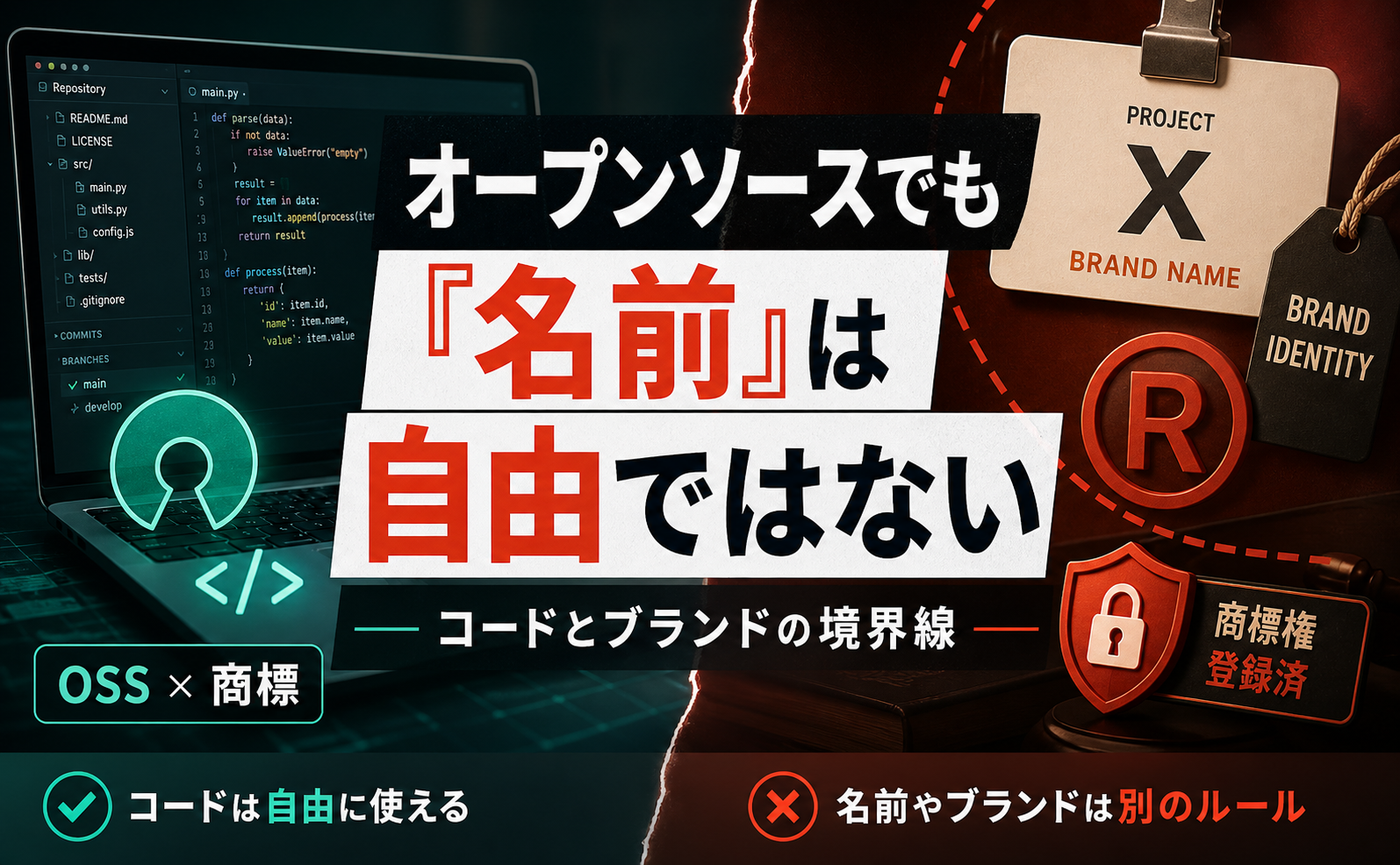
This is a point many people tend to confuse, but being open source does not mean that names and logos are free to use. WIPO explains that a trademark is a sign used to distinguish one business’s goods or services from those of others. Put simply, even if source code can be shared, the questions of whether you may release something under a particular name or use a particular logo are separate matters. This case can be seen as a clear example of the boundary between the freedom of code and the protection of brand identity becoming visible.
From this perspective, whether Andrey Letov acted with malicious intent is a secondary issue. Even if he acted with respect or in good faith, if users were likely to perceive the project as an official release from the original source, that alone could be sufficient to create a trademark problem. Good faith is valued in the OSS community, but from the standpoint of user protection and clear indication of origin, good faith alone is not enough. In fact, if ambiguous presentation is tolerated on the assumption of good faith, it could end up justifying far more harmful forms of free-riding or impersonation in the future.
A Name Change Is Not the Goal, but a Condition for a Fresh Start
It has been reported that this macOS project plans to rename itself “Nextpad++” in its next release, and the GitHub repository is in fact now displayed as “Nextpad++ for macOS.” At the same time, its README still contains the expression “Notepad++ for macOS” and links to the old domain, notepad-plus-plus-mac.org, suggesting that the brand transition is still incomplete. The Notepad++ side later announced that the trademark issue had been resolved through the removal of the name, logo, and similar elements, but fully changing users’ perception will require more than a name change. It will also require fully reorganizing the site structure, explanatory text, attribution, and even how the project appears in search results.
What matters here is not so much whether the new name “Nextpad++” is legally perfect, but whether the project can stand on its own as an independent project with its own identity. A strategy of choosing a name that is only slightly different from the original may make it easier to gain recognition in the short term, but in the long term it prevents the project from stepping out of the original’s shadow. What was truly needed in this case, I believe, was to present the technical achievement of the Mac version not as something riding on the original brand, but as value in its own right. The current repository description emphasizes that it is an independent native port, and that does seem to be the right direction.
Will Apple Actually Take Action?
The next question is whether Apple might sue over this, but that should be viewed with some caution. Apple’s developer materials state that OS X’s design was influenced by NEXTSTEP and OPENSTEP, and that Apple’s acquisition of NeXT in 1997 was a major key to the realization of OS X. Accordingly, an explanation that the name pays tribute to “NeXT” does have a certain historical context.
On the other hand, third-party apps containing the name “NextStep” do in fact exist on the App Store. Of course, that does not mean one can definitively say there is no risk, but at the very least, this is not a simple matter of saying that using the word “NeXT” or “Next” automatically makes something unlawful. Whether it actually becomes a problem is likely to depend less on the word itself and more on whether the overall presentation causes users to mistake it for an Apple product or an Apple-originated product. Looking back at the Notepad++ controversy, what would truly heighten Apple-related risk would probably be not the name alone, but rather the logo, the wording of the description, the way the origin story is framed, and the overall impression given to users. This is not a legal conclusion, but a practical assessment that can be drawn from this case and from basic trademark principles.
What This Controversy Revealed
This case offers a very modern lesson for open-source development. The ability to write excellent code and the ability to run a trustworthy project are not the same thing. Users do not judge a project by reading its source code first. They judge it first by its name, logo, website, description, and the impression given by the distributor. That is precisely why brand design and transparency about origin cannot be treated lightly even in the OSS world. In fact, because anyone can fork a project, the role of trademarks and names in showing who made something and who is responsible for it becomes even more important.
From the perspective of the Notepad++ side, this was not merely a matter of emotion, but a defense of trust built up over many years. From the perspective of the porting side, a genuine technical achievement ended up losing recognition because of weak naming and presentation choices. What separated the two sides was not technical ability, but where the boundary line was drawn. This controversy, I believe, made one point very clear: it is not that “open source means anything goes,” but rather that precisely because it is open source, there must be clear norms for distinguishing freedom from confusion.