-
- BLOG
- Intellectual Property Considerations
Intellectual Property Considerations– category –
BLOGIntellectual Property Considerations
-
Why Hong Kong Aims to Become an “IP Trading Hub”: Its 2026 Policy Connecting Patents, Finance, Taxation, and Talent
 福元 栄作
福元 栄作
-
Counterfeits Are No Longer Just About Luxury Brands—What Okinawa Customs’ Seizure of 8,201 Items Reveals About the Changing Counterfeit Market
福元 栄作
-
Tokyo–Yokohama’s No. 2 Ranking Does Not Mean Japan Is Falling Behind — What WIPO’s 2026 Innovation Cluster Rankings Reveal About the Real Strength of China’s 25 Hubs
福元 栄作
-
$897 Million Is Not the “Price of Losing”—What the Samsung-Netlist Settlement Reveals About Patent Strategy in the AI Memory Era
福元 栄作
-
From the Courtroom to the Court of Public Opinion: What the Apple–OpenAI Lawsuit Reveals About Talent, Trade Secrets, and Corporate Communications in the AI Era
福元 栄作
-
From “Registration” to “Strategic Assets”: China’s Comprehensive Reform of IC Design Protection Marks the Next Stage of Technological Self-Reliance
福元 栄作
-
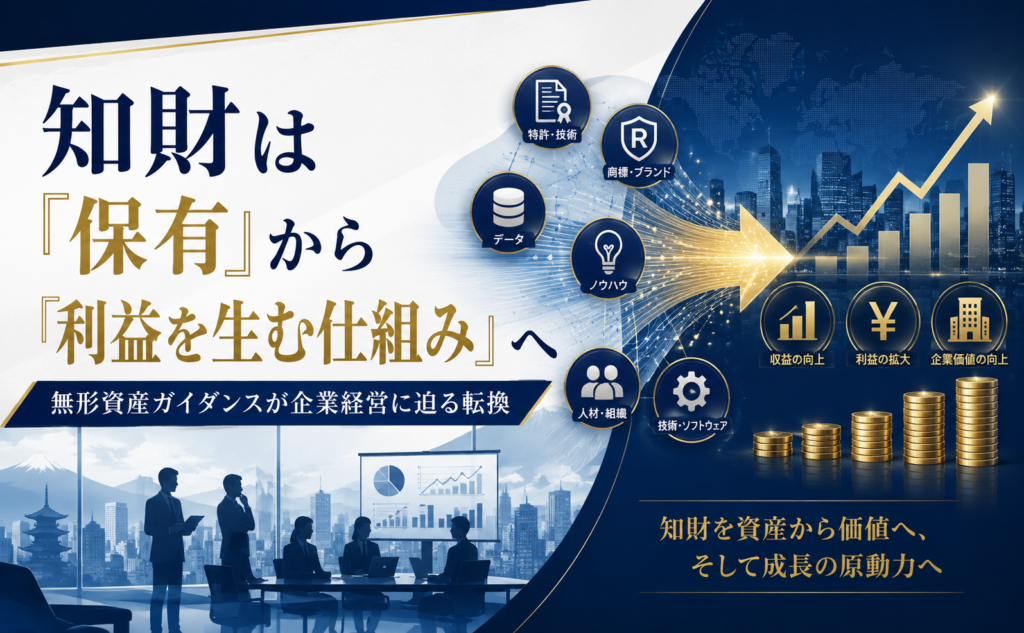
From “Owning” IP to Building a System That Generates Profits: How the Intangible Asset Guidelines Are Driving a Transformation in Corporate Management
福元 栄作
-
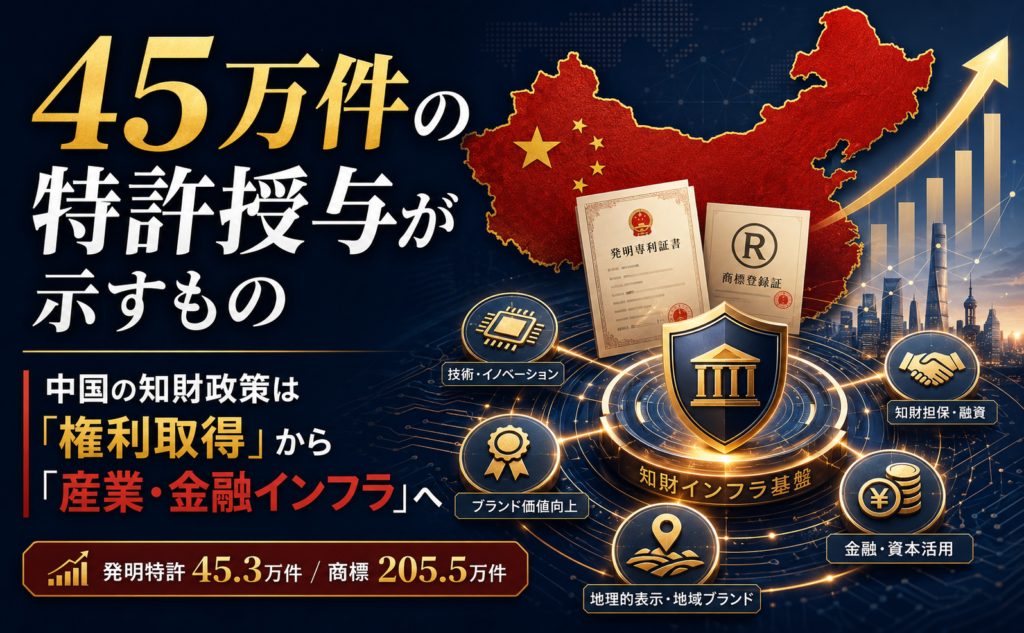
What 453,000 Patent Grants Reveal: China’s IP Policy Is Shifting from “Obtaining Rights” to Building Industrial and Financial Infrastructure
福元 栄作
-
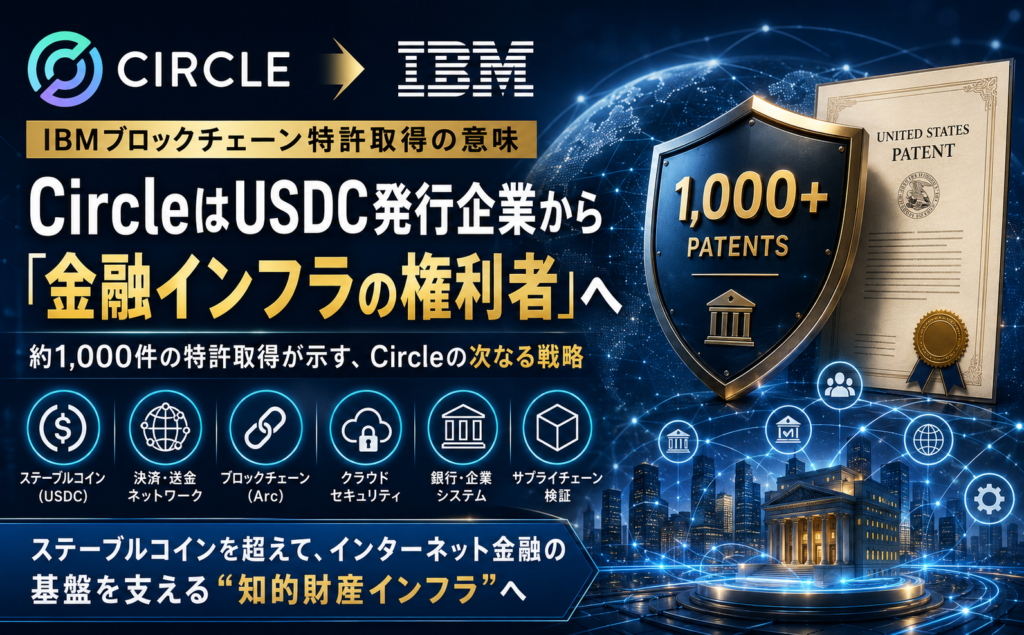
From USDC Issuer to “Owner of Financial Infrastructure”: What Circle’s Acquisition of IBM’s Blockchain Patents Means
福元 栄作
-
AI Does Not Decide Patentability—How the JPO AI Vision Points to the Future of Patent Examination
福元 栄作
-
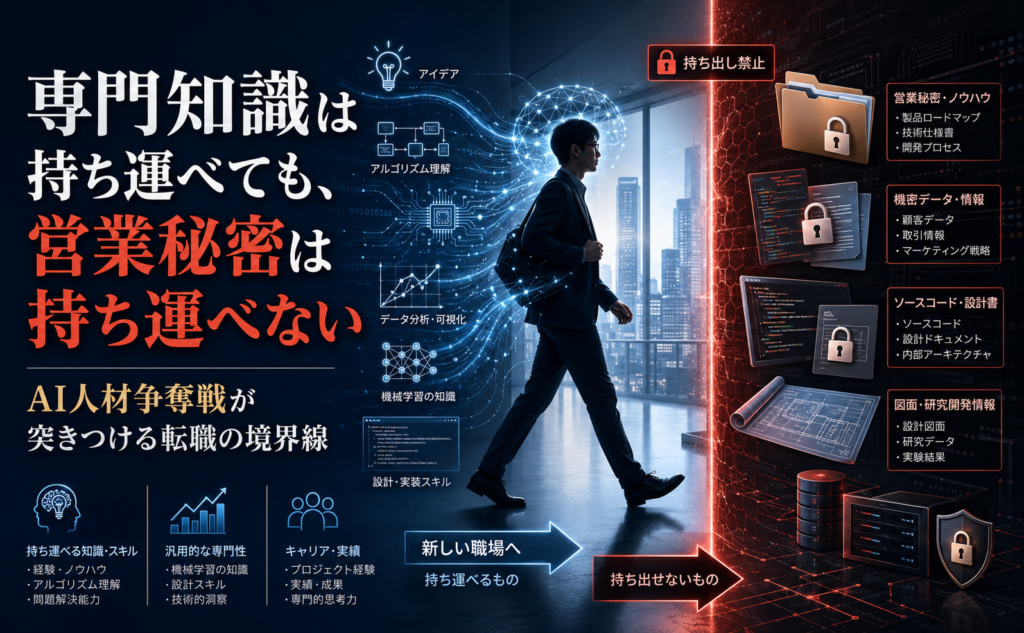
Expertise Is Portable, but Trade Secrets Are Not—The Boundary of Job Mobility in the Battle for AI Talent
福元 栄作
-
From an “Advisory Desk” to a “Command Center for Regional Industry”: The Role of INPIT-KYUSHU
福元 栄作
-
Will a 200% Tariff on Generic Drugs Save the United States?—How Reshoring Could Lead to Higher Drug Prices and Supply Shortages
福元 栄作
-
Entresto Sales Halve, Yet Profit Beats Expectations—What Novartis’s Earnings Reveal About Surviving the “Patent Cliff”
福元 栄作
-
The TSMC Former Employee Case Signals a New Phase in Technology Leakage—Semiconductors Are Shifting from Corporate Secrets to National Security Assets
福元 栄作
-
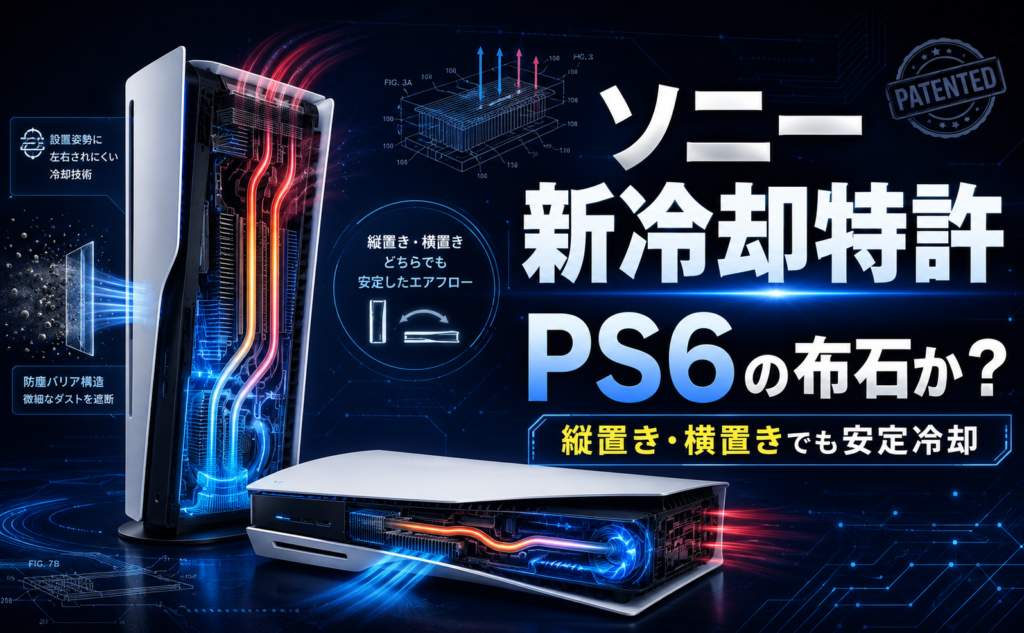
Is Sony’s New Cooling Patent a Step Toward the “PS6”? The Potential for a Console Design Unaffected by Vertical or Horizontal Placement
福元 栄作
-
Can OpenAI’s “Moving AI Speaker” Become the Leading Device of the Post-Smartphone Era?—How a Screenless AI Companion Could Transform the Relationship Between Humans and Machines
福元 栄作
-
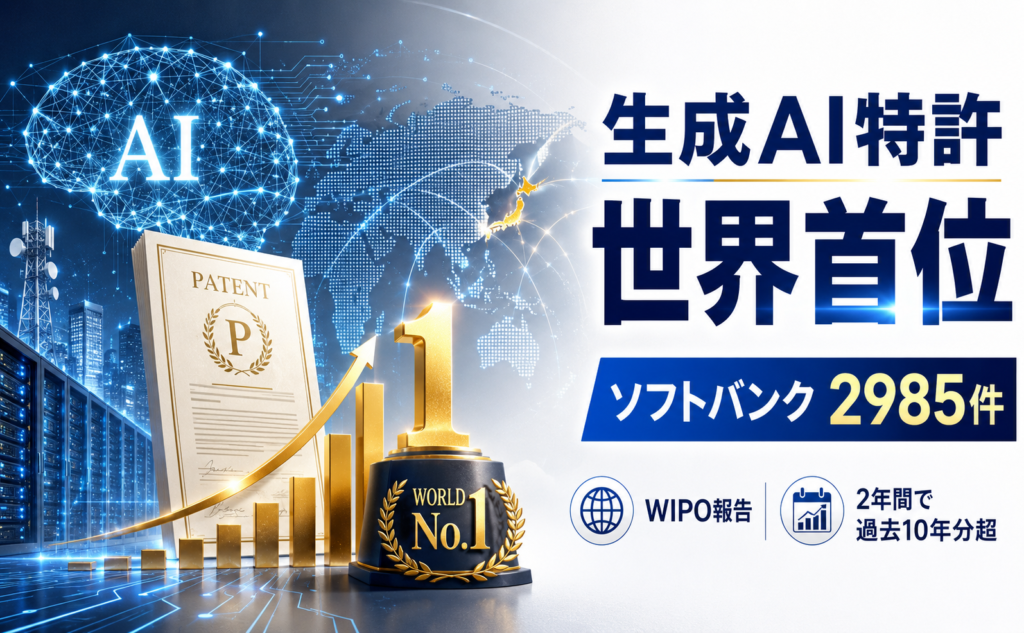
SoftBank Ranks First Worldwide in Generative AI Patents—What 2,985 Patent Families Reveal About the Shift from “Companies That Build AI” to “Companies That Invent with AI”
福元 栄作
-
Can “J-Beauty” Become the Next Cool Japan?—The Future of Japan’s Beauty Industry Hinges on Advertising Reform and Industry Collaboration
福元 栄作
-
From Partner to Rival: The Apple–OpenAI Lawsuit and the Battle for Supremacy in AI Devices
福元 栄作
-
From Patriot “Provision” to “Production”: What Ukraine Air Defense Support Reveals About a Prolonged War and the Realities of the Security Business
福元 栄作
-
The Battle for Leadership in GaN Semiconductors Will Be Decided Not Only by Factories but Also by Patents — What the Infineon vs. Innoscience Dispute Reveals About Competition in Next-Generation Power Semiconductors
福元 栄作
-
“Hand Over the Design Drawings for Free” No Longer Works: An Era in Which SME Data Becomes a Tradable Asset
福元 栄作
-
Why Louis Vuitton Is Suing Even Restaurants: How Far Can a “Flower Pattern” Become a Brand Asset?
福元 栄作
-
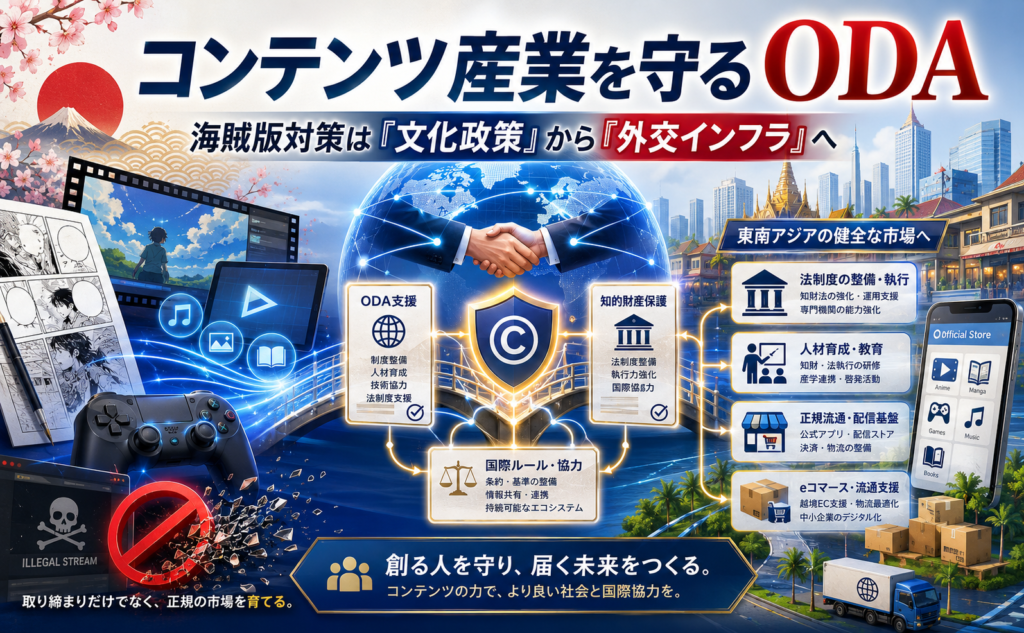
ODA to Protect the Content Industry: Anti-Piracy Measures Move from “Cultural Policy” to “Diplomatic Infrastructure”
福元 栄作
-
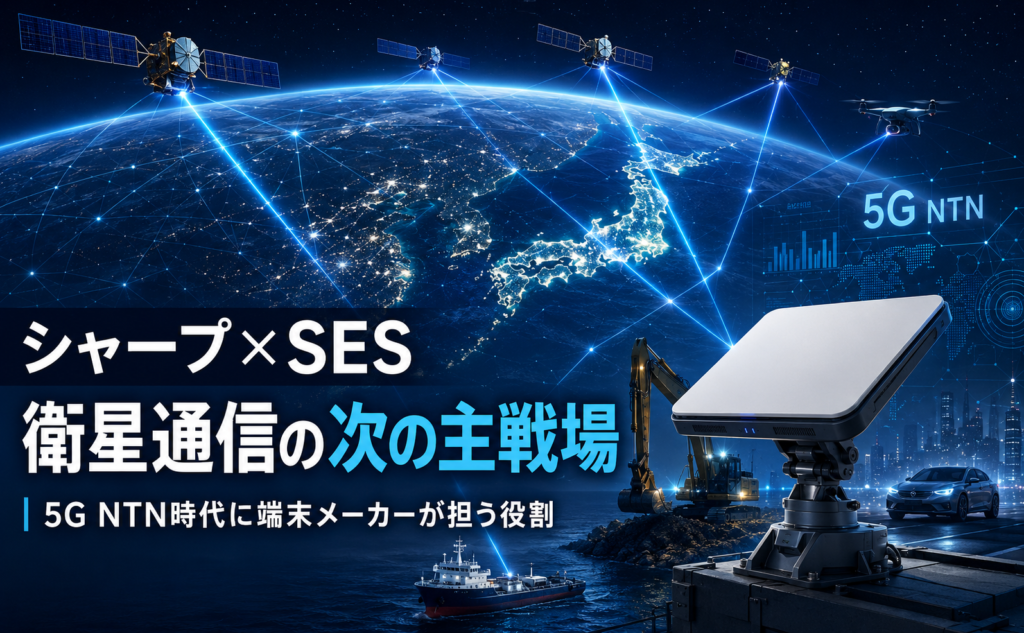
The Next Battleground in Satellite Communications Shown by the Sharp–SES Partnership: The Role of Device Manufacturers in the 5G NTN Era
福元 栄作
-
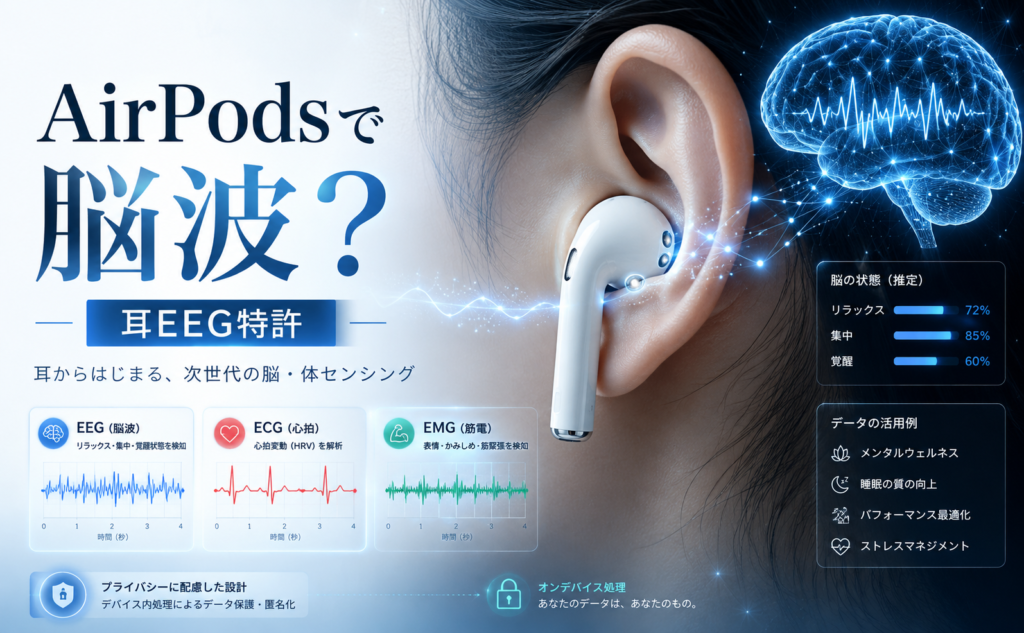
Will AirPods Become Devices That Can Measure the “State of the Brain”? Apple’s Ear-EEG Patent Points to the Next Stage of Wearable Health Management
福元 栄作
-
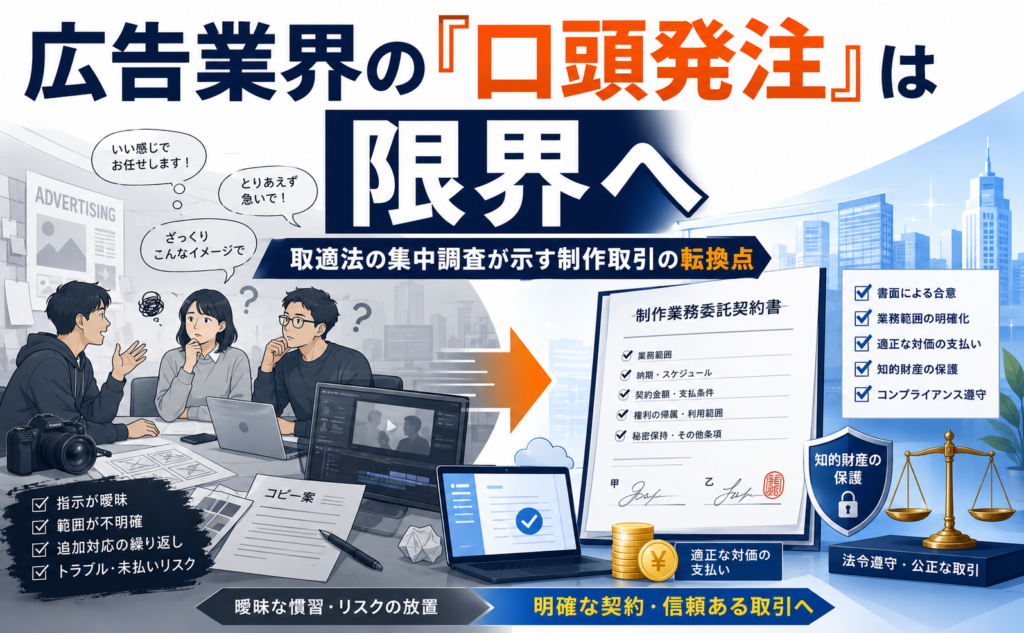
The End of “Verbal Orders” in the Advertising Industry: A Turning Point for Production Transactions Shown by the Intensive Investigation under the Transaction Fairness Act
福元 栄作
-
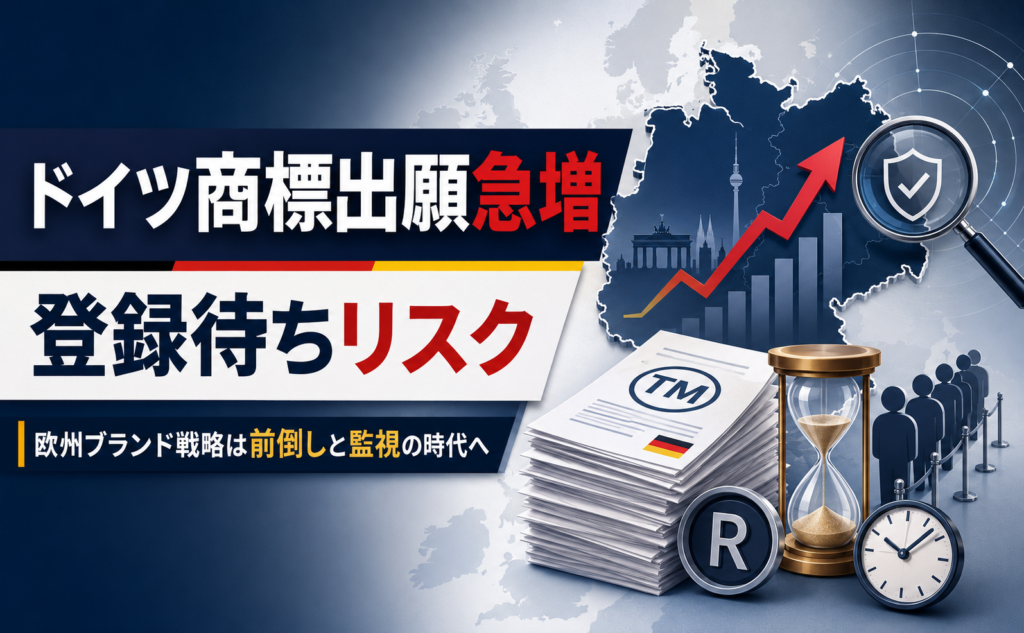
The “Registration Waiting Risk” Signaled by the Surge in German Trademark Applications — European Brand Strategy Is Entering an Era of Earlier Action and Continuous Monitoring
福元 栄作
-
SMEs’ Intellectual Property Is Not an “Extra”: The JFTC Guidelines as a Turning Point in Business Practices
福元 栄作
-
Quantum Computers Are Moving from “Dream Machines” to National Infrastructure: The Next Technology Race Signaled by U.S. Executive Orders
福元 栄作
-
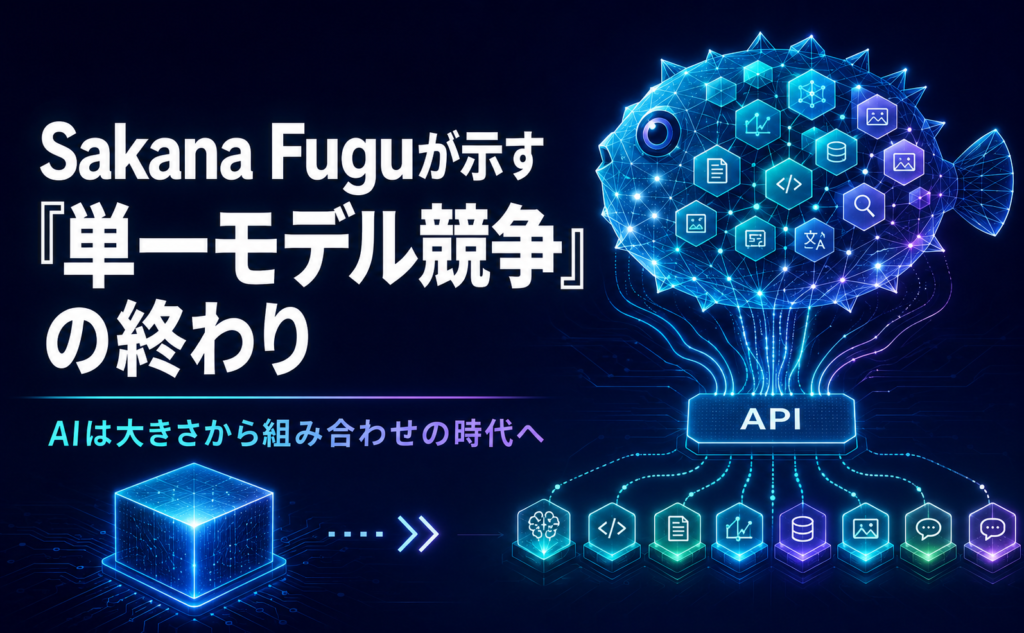
Sakana Fugu Signals the End of “Single-Model Competition” — AI Is Moving from Size to Combination
福元 栄作