
Introduction
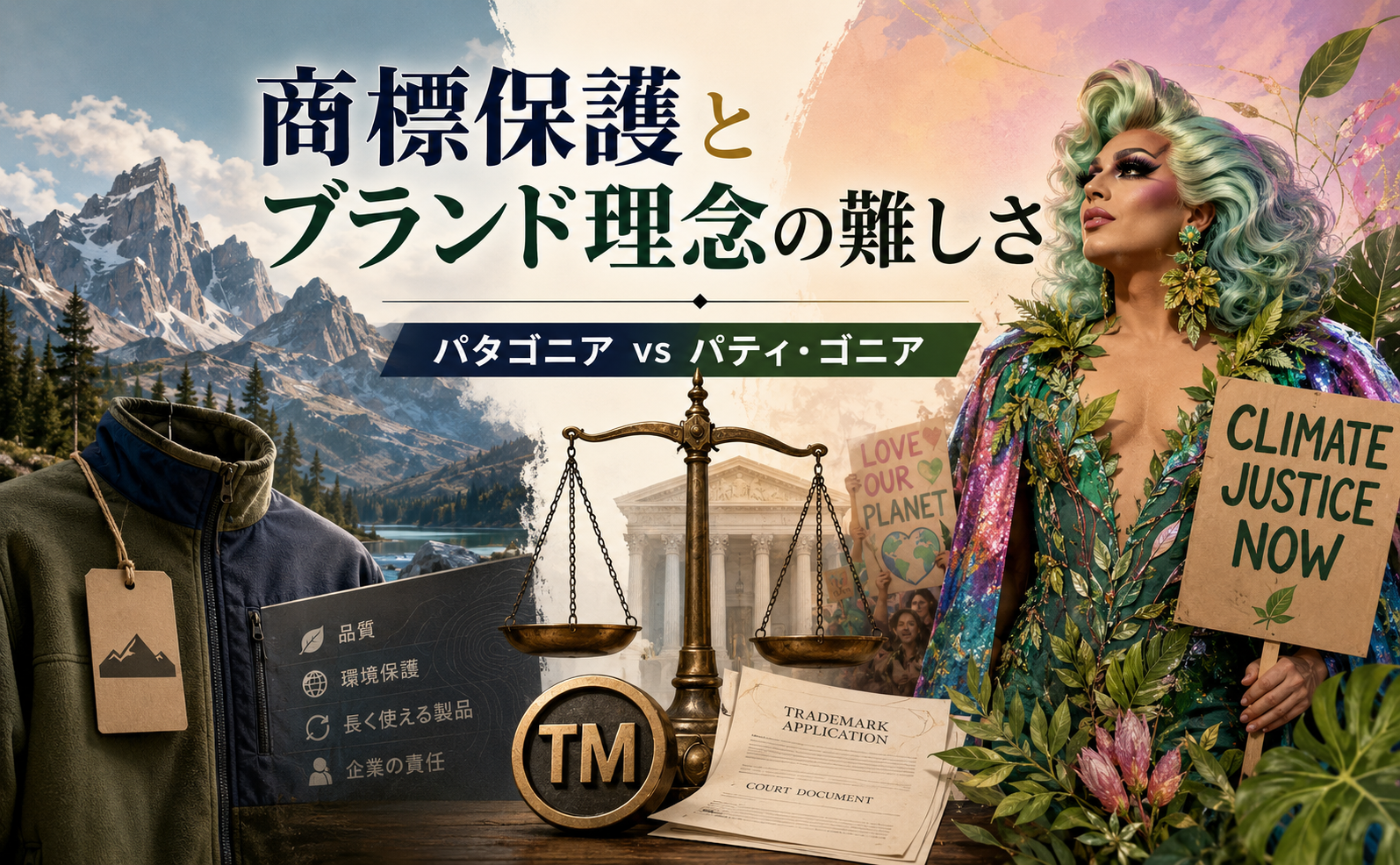
Outdoor brand Patagonia has filed a trademark infringement lawsuit against Pattie Gonia, a drag queen also known as a climate activist. Patagonia argues that the name “Pattie Gonia,” related logos, apparel sales, and trademark applications may cause confusion with the long-established “Patagonia” brand and harm its brand value. Pattie Gonia, on the other hand, has pushed back, arguing that the name derives from the Patagonia region of South America and that Patagonia is trying to erase an individual environmental activist.
What is interesting about this dispute is that it is not merely a trademark conflict between a large company and an individual. Both parties have placed importance on environmental protection and have engaged in activities that are closely aligned with diversity and social messaging. Nevertheless, the conflict has surfaced through the trademark system, bringing to the fore multiple issues at once: brand protection, expressive activity, social trust, and consistency with corporate ideals.
From a trademark-law perspective, Patagonia’s actions have a certain rational basis
A trademark is not simply a tool for monopolizing a company name or logo. It is a system for indicating the source of goods or services and enabling consumers to identify “whose product this is” or “whose activity this is.” For that reason, when similar names are used in similar fields, a trademark owner may raise the issue of likelihood of confusion.
In this case, Pattie Gonia is said not only to be active as an environmental activist, but also to have sold apparel under the “Pattie Gonia” brand and filed trademark applications covering apparel sales, the promotion of environmental activities, online marketing, endorsements, and other matters. The issue here is not simply that the name “Pattie Gonia” is being used as a stage name. Rather, the issue is that the name is being used commercially and has expanded into clothing and environmental-related activities, areas that overlap with Patagonia’s business.
From Patagonia’s perspective, leaving this unaddressed could create concern that it may become more difficult in the future to enforce its rights against third parties using even closer names or logos. Trademark rights do not end with registration. They are rights whose source-identifying function is maintained through appropriate management and assertion when necessary. In that sense, Patagonia’s explanation that it is acting “to prevent misuse by bad-faith third parties” has persuasive force from the standpoint of trademark practice.
Even so, what is legally correct is not always correct as a brand strategy
At the same time, what makes this lawsuit difficult is that the very brand value Patagonia is trying to protect may itself be damaged by the lawsuit.
Patagonia is known as a brand that emphasizes environmental protection and social responsibility. It is not merely an outdoor-goods manufacturer; its stance of confronting environmental issues through corporate activity has become central to its brand value. For a company of that kind to sue Pattie Gonia, a climate activist who promotes diversity and environmental protection, is a situation that can easily create a strong sense of discomfort among consumers and supporters.
Of course, Patagonia has explained that it does not oppose Pattie Gonia’s activities. Rather, it has stated that it supports her environmental advocacy and message and hopes she will build a long and successful career. However, litigation sends a very strong message to its audience. Even if the damages sought are only one dollar, the defendant still faces substantial legal costs and psychological burden, and socially, the impression that “a large company sued an individual activist” tends to come first.
This is where the contemporary difficulty of enforcing trademark rights lies. Even when a company believes it is undertaking legally necessary rights protection, depending on the counterparty and the context, the action may be perceived as inconsistent with the company’s brand ideals.
Pattie Gonia’s side also has issues that need to be clarified
That said, this is not a matter of simply supporting Pattie Gonia’s arguments one-sidedly.
The name “Pattie Gonia” strongly evokes “Patagonia” in both sound and visual impression. In the context of drag and parody, expressions that play on existing words or brands can serve an important role. However, when that expression becomes the subject of product sales or trademark registration, the boundary between expressive activity and commercial use becomes an issue.
In particular, apparel sales are a core business area for Patagonia. Given the overlap among environmental activity, the outdoors, and clothing, it is not unnatural for Patagonia to raise concerns about likelihood of confusion. Even if Pattie Gonia argues that the name derives from the Patagonia region of South America, the actual impression consumers receive and whether there is a risk that they may mistakenly perceive a relationship with Patagonia are separate issues that should be examined.
Moreover, Pattie Gonia’s position that she will withdraw her trademark applications if Patagonia withdraws the lawsuit, while continuing apparel sales, also makes resolution of the dispute more difficult. For Patagonia, the very thing that requires the most caution is the continued use of a name close to its brand name on clothing.
The issue is not “who is good and who is bad”
If this matter is viewed in the simple framework that Patagonia is wrong or Pattie Gonia is wrong, its essence will be missed.
Patagonia needs to protect its brand. If it does not manage its trademarks appropriately, it may become more difficult to oppose future imitation or free riding. Especially for a company that has built brand value around environmental protection and social responsibility, the source-identifying function of its name and logo is extremely important.
On the other hand, Pattie Gonia has pressing reasons to protect the activity name she has used for many years. That name is not merely a sales brand; it is also an expressive identity that connects drag, environmental activism, and the communication of diversity. It is understandable that restrictions on use of the name could be perceived as threatening the very foundation of her activities.
In other words, this lawsuit is a collision between trademark rights as property rights and an activity name with social and expressive significance. Moreover, because both sides advocate similar values, the conflict appears all the more serious.
What Patagonia needs is accountability in how it enforces its rights
If Patagonia continues this lawsuit, it will probably not be enough simply to explain that it is acting “to protect the brand.” It will need to show more carefully why litigation was necessary, what scope of use it is objecting to, and how it distinguishes use as a stage name from apparel sales and trademark registration.
For example, if Patagonia’s real concern is apparel sales and the use of logos that evoke Patagonia, rather than the activity name of the individual known as Pattie Gonia itself, it is important to make that line clear. Conversely, if the company is perceived as trying to broadly restrict use of the name itself, social backlash will likely intensify further.
Trademark enforcement is no longer judged solely by its legal legitimacy. The more a company has placed its social mission at the forefront, the more the manner in which it enforces its rights will be assessed for consistency with those ideals.
What Pattie Gonia needs is a clear distinction between expression and commercial use
Pattie Gonia’s side also needs to explain how it distinguishes use of the name as expressive activity from brand development through trademark registration and apparel sales.
“Pattie Gonia” as a parody or activity name is readily understood as expression accompanied by a social message. However, once clothing is sold under that name and exclusive trademark rights are sought, the relationship with an existing brand cannot be avoided. In particular, because the contexts of the environment, the outdoors, and apparel overlap, it becomes important to secure an appropriate commercial distance.
For Pattie Gonia to maintain the activity name while continuing business in a form that does not conflict with Patagonia’s trademarks, it will be necessary to take steps in areas such as logos, fonts, product labeling, sales methods, and explanatory text to make clear that there is no relationship with Patagonia.
There is still room for settlement
This dispute seems best resolved not by having either side win completely, but by organizing and defining the scope of use.
For example, one possible direction would be to allow Pattie Gonia to continue using the name as a stage name or activity name, while imposing certain restrictions on displays that evoke Patagonia’s logo and on apparel activities that are likely to be confused with Patagonia’s products. With respect to the trademark applications as well, there may be room to adjust the designated goods and services or to establish conditions that avoid confusion with Patagonia.
For Patagonia, winning the lawsuit is not necessarily the best outcome. Even if it obtains a legally favorable result, damaging trust among environmental activists and the LGBTQ+ community would be insufficient as a defense of brand value. Conversely, for Pattie Gonia, showing consideration for the source-identifying function of Patagonia’s trademark, rather than merely asserting freedom to use the activity name, would contribute to the long-term stability of her activities.
Conclusion
The Patagonia v. Pattie Gonia lawsuit raises questions not only about whether there has been trademark infringement, but also about what it means for a company to protect its brand.
A brand is not formed by a name or logo alone. It is also shaped by the trust consumers place in the company, their sympathy with its ideals, and their evaluation of its social conduct. For that reason, a lawsuit brought to protect a brand can sometimes undermine trust in that very brand.
At the same time, even activities with social significance carry certain legal risks when a name close to another party’s trademark is used commercially. The boundaries among expressive activity, parody, brand development, and trademark registration are more delicate than they may appear.
This case shows that trademark enforcement is no longer merely a legal issue, but one that involves corporate ideals, social support, freedom of expression, and relationships with communities. For both Patagonia and Pattie Gonia, the most important question may not be how to defeat the other side, but how to find a line that allows coexistence without destroying the values each is trying to protect.