BLOG– category –
-

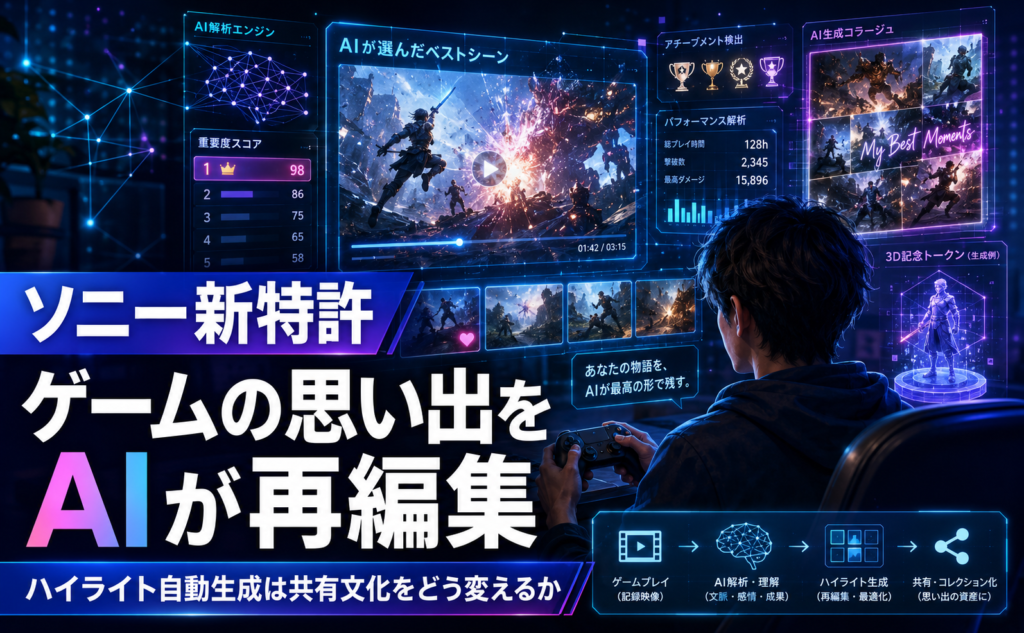
“Re-editing Game Memories” Suggested by Sony’s New Patent — How AI for Automatic Highlight Generation Could Change Sharing Culture

-
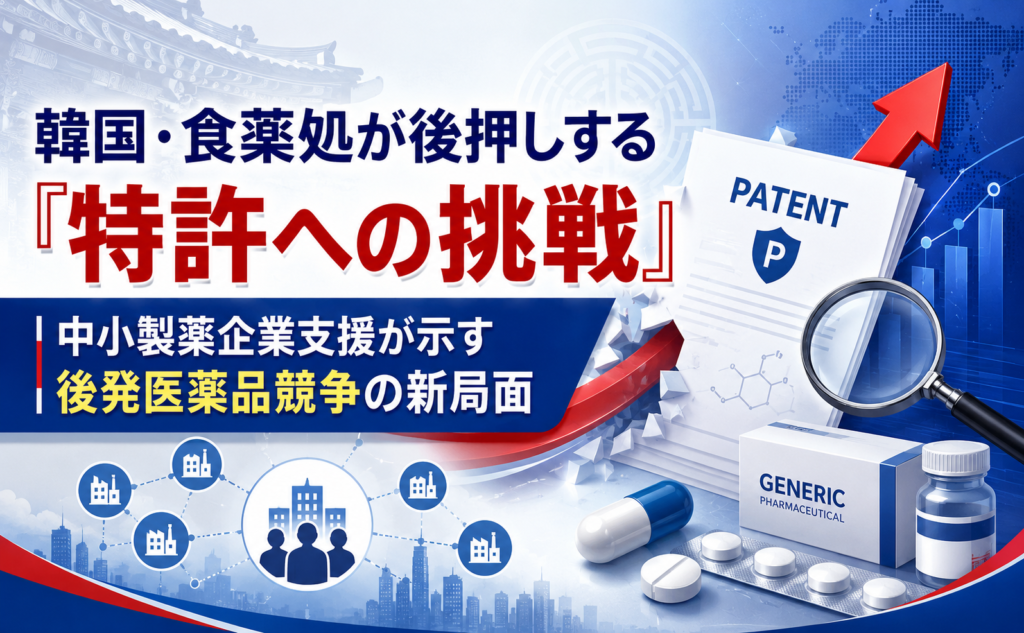
“Challenging Patents” Backed by Korea’s MFDS: A New Phase in Competition for Generic Drugs Revealed by Support for Small and Mid-Sized Pharmaceutical Companies
-
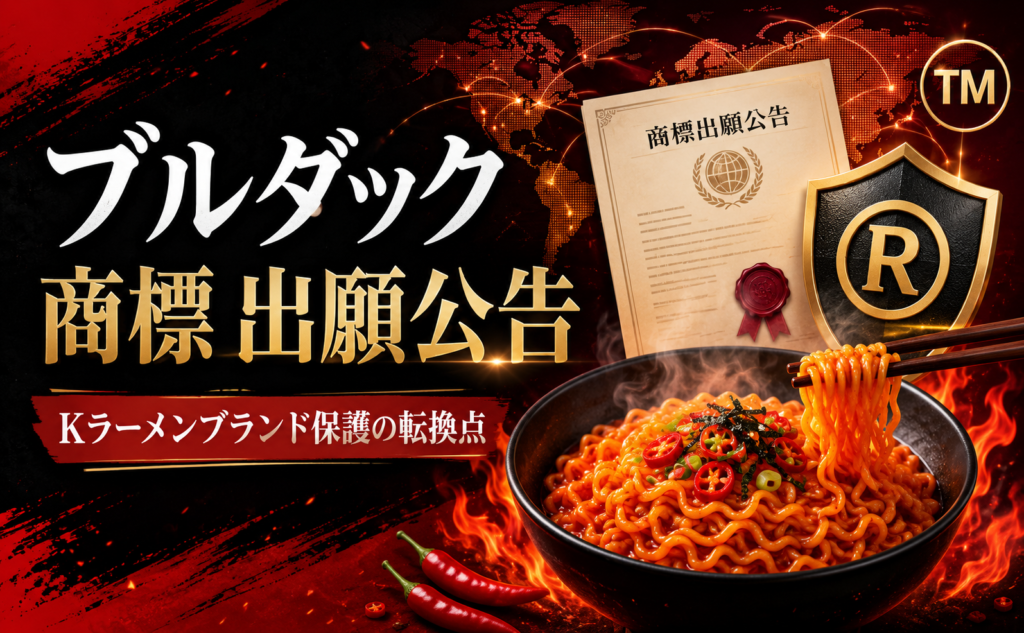
A Turning Point in Korean Brand Protection: What the Publication of the “Buldak” Trademark Application Reveals About the Next Battle for K-Ramen
-
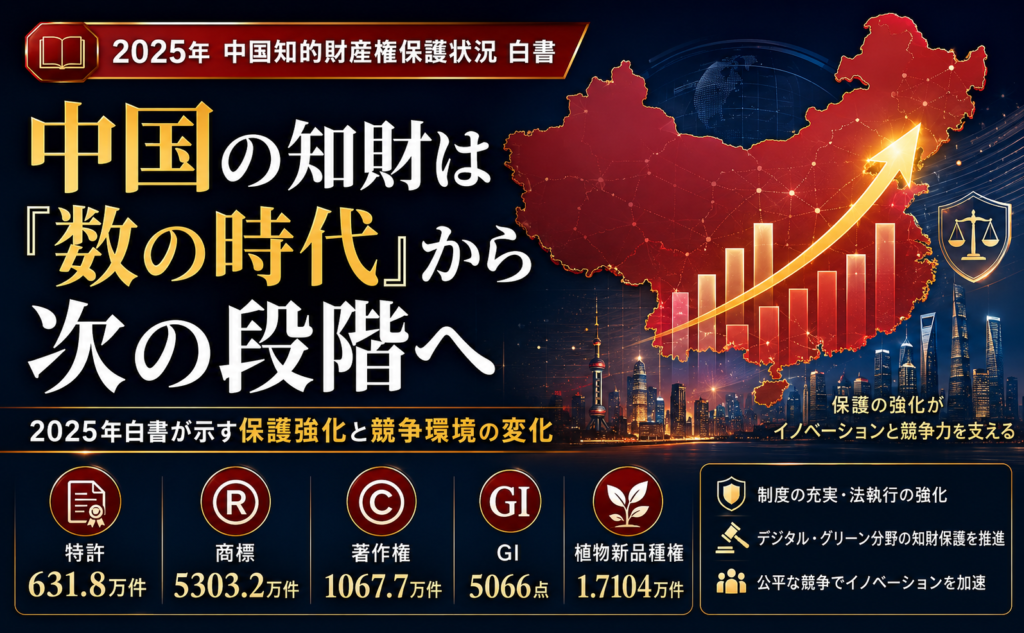
China’s Intellectual Property Has Moved Beyond the “Era of Quantity” — What the 2025 White Paper Reveals About Stronger Protection and a Changing Competitive Landscape
-
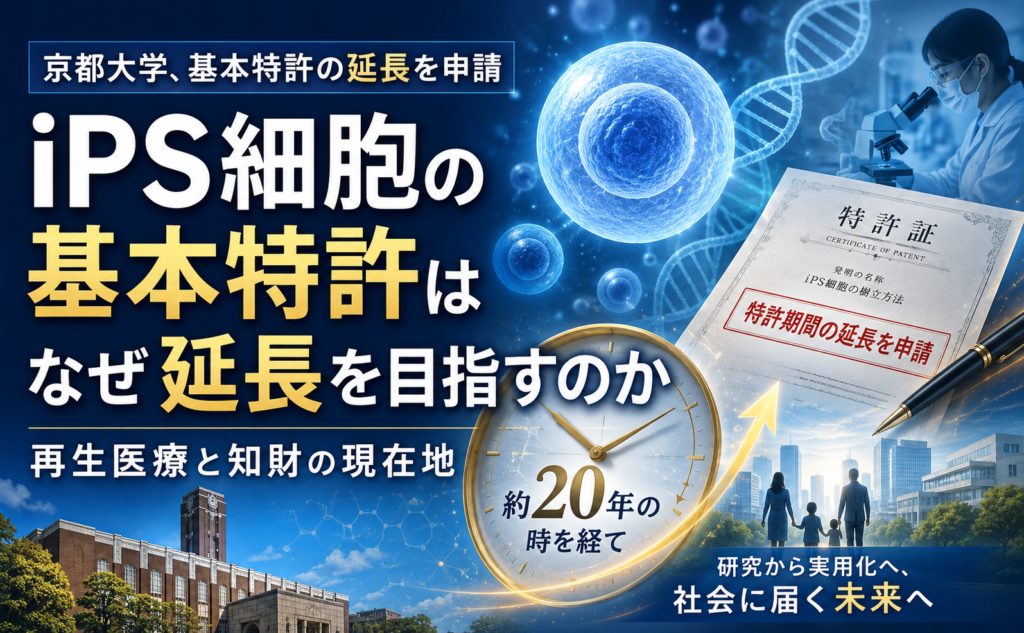
Why Is Kyoto University Seeking to Extend the “Basic Patent” for iPS Cells? — What the University’s Decision Reveals About the Current State of Regenerative Medicine and Intellectual Property
-
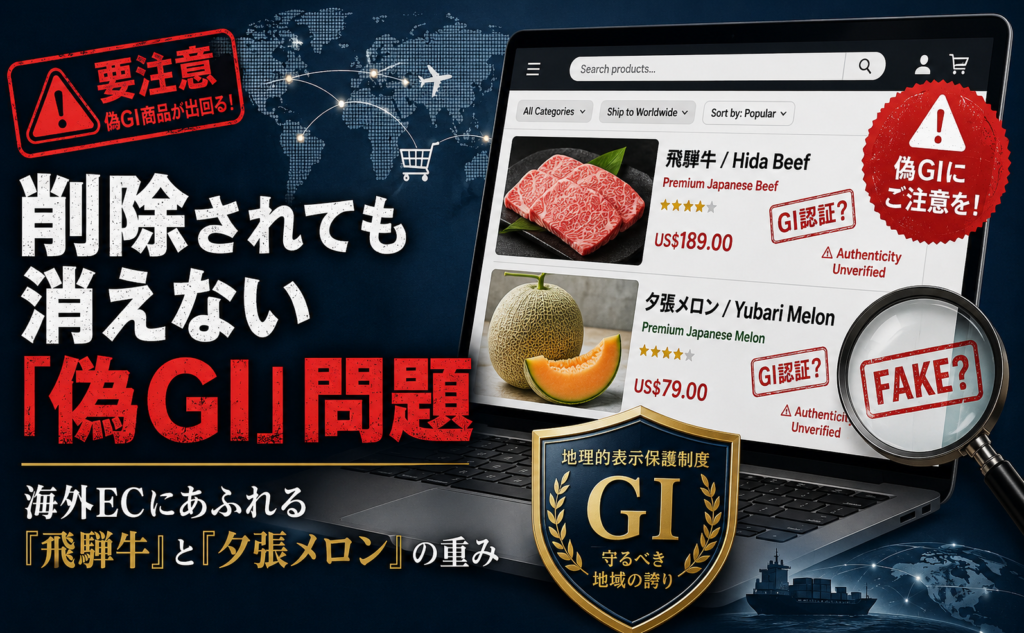
The “Fake GI” Problem That Does Not Disappear Even After Takedowns: The Weight of “Hida Beef” and “Yubari Melon” Flooding Overseas E-Commerce Sites
-
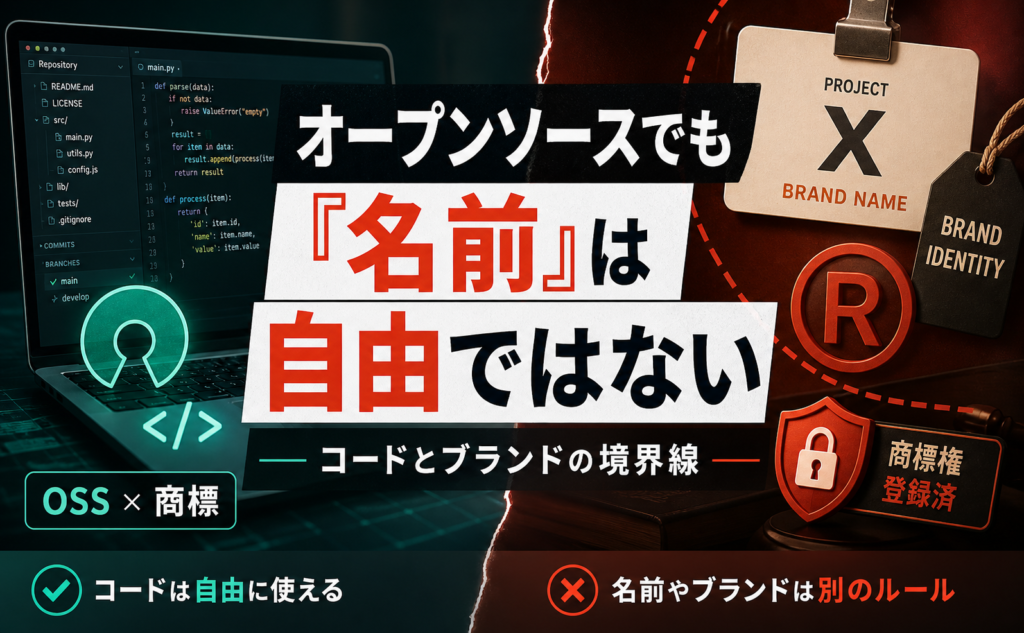
Even in Open Source, a “Name” Is Not Free to Use: The Notepad++ Controversy and the Boundary Between Code and Brand
-
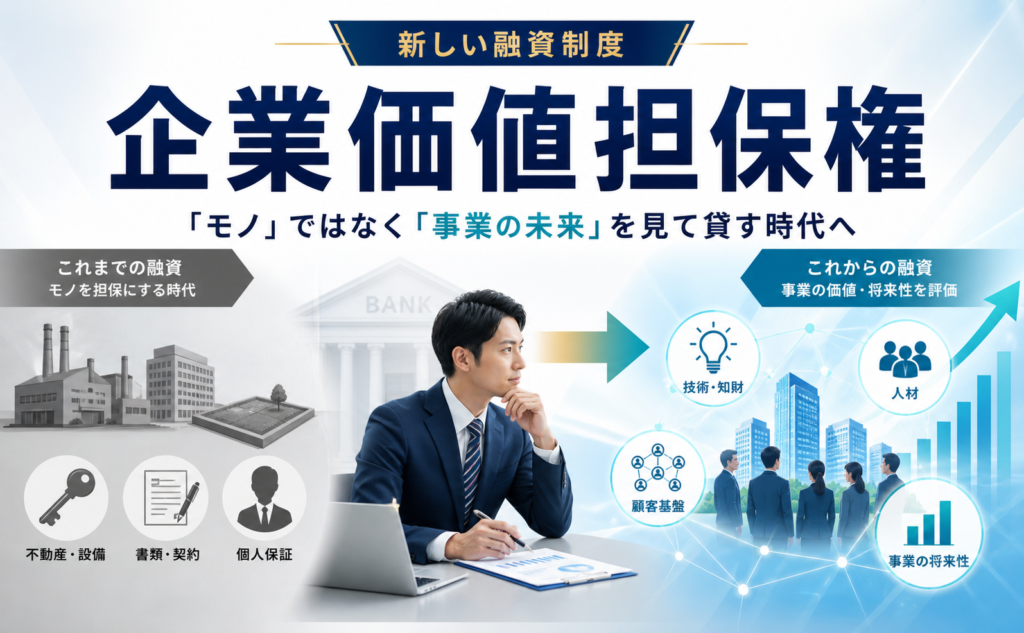
How Enterprise Value Security Rights Could Change the Conventional Wisdom of Lending — Toward an Era of Lending Based Not on “Things,” but on the Future of a Business
-
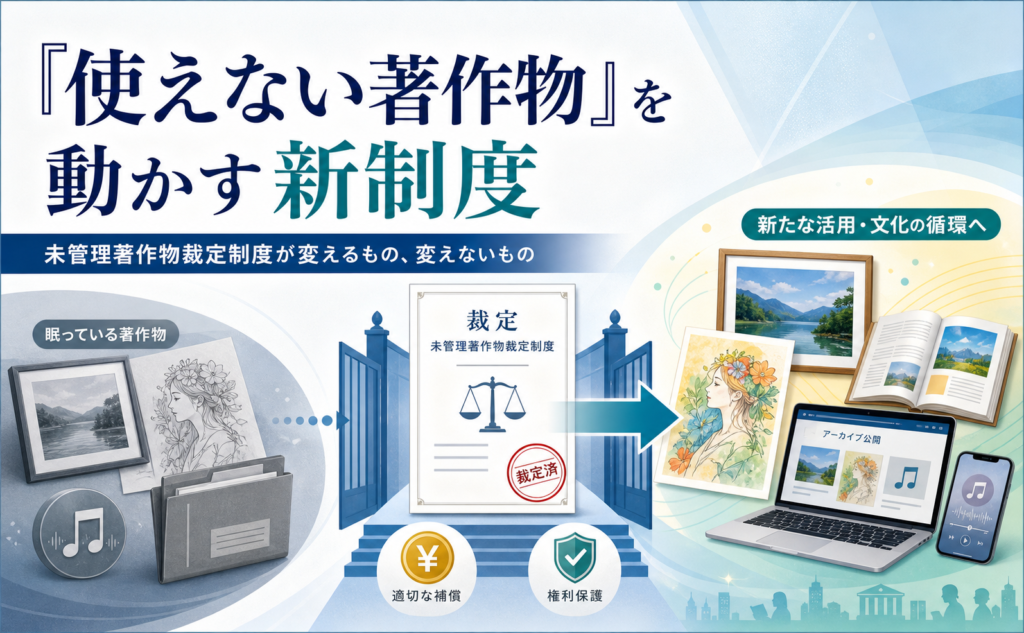
A New Framework to Put “Unusable Copyrighted Works” into Circulation: What Japan’s Unmanaged Works Adjudication System Changes—and What It Does Not
-
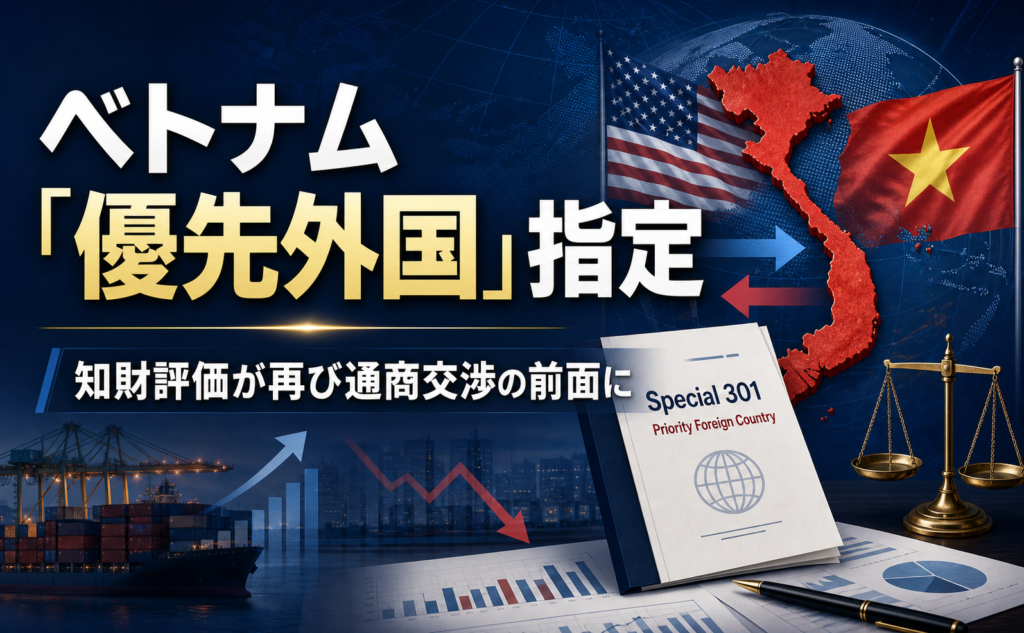
What Vietnam’s Designation as a “Priority Foreign Country” Signals: IP Assessment Has Returned to the Forefront of Trade Negotiations
-
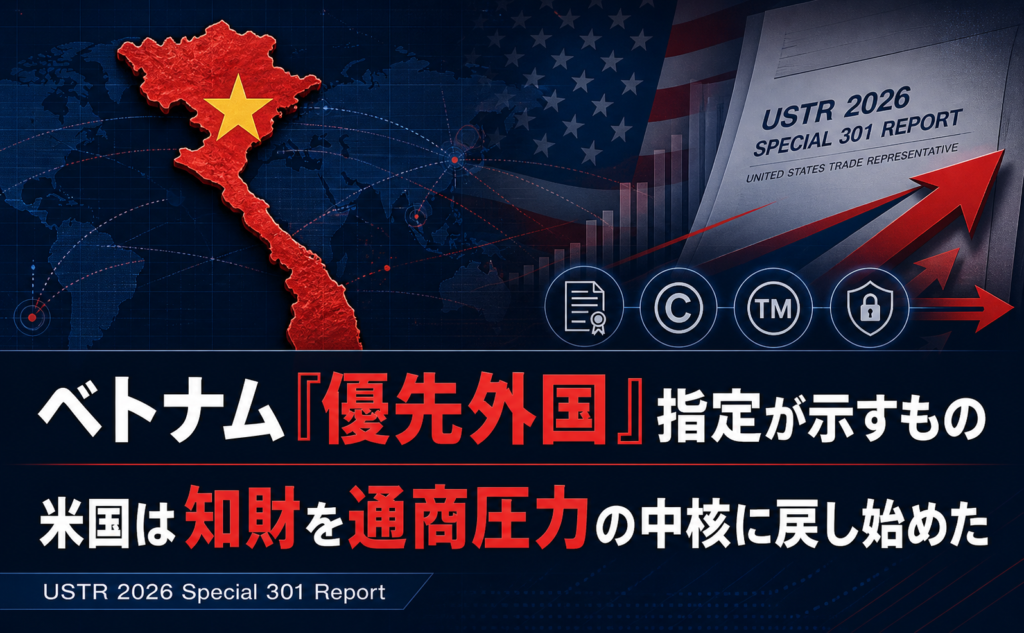
What Vietnam’s “Priority Foreign Country” Designation Signals: The United States Has Begun Re-centering Intellectual Property in Its Trade Pressure Strategy
-
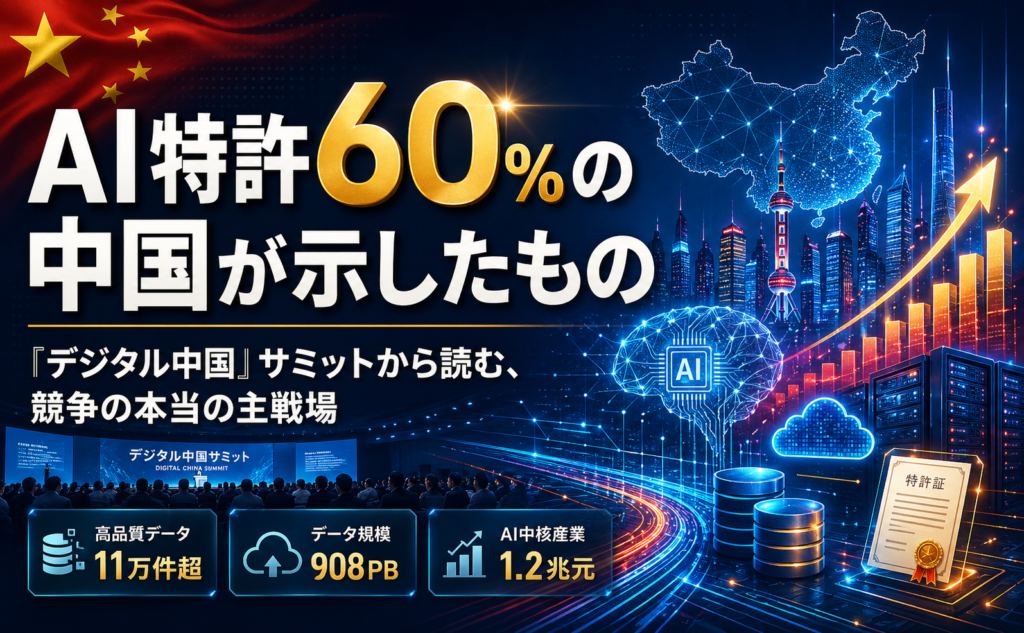
What China’s 60% Share of AI Patents Reveals: The Real Battleground of Competition, as Seen from the “Digital China” Summit
-
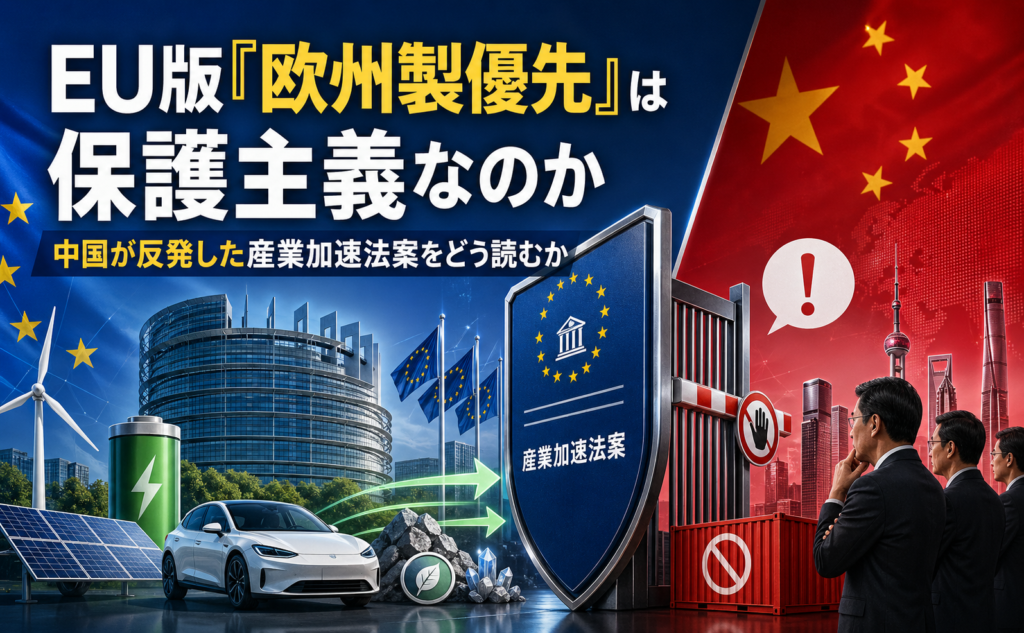
Is the EU’s Version of “Buy European” Protectionism? How to Read the Industrial Acceleration Act That Provoked China’s Backlash
-
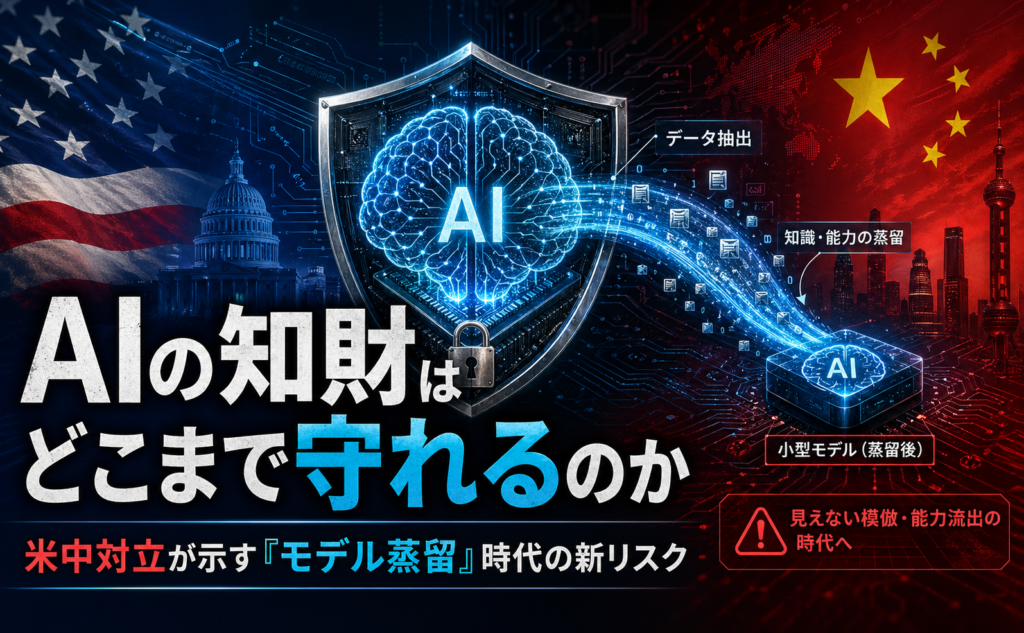
How Far Can AI Intellectual Property Be Protected? — New Risks in the Age of “Model Distillation” Revealed by U.S.–China Tensions
-
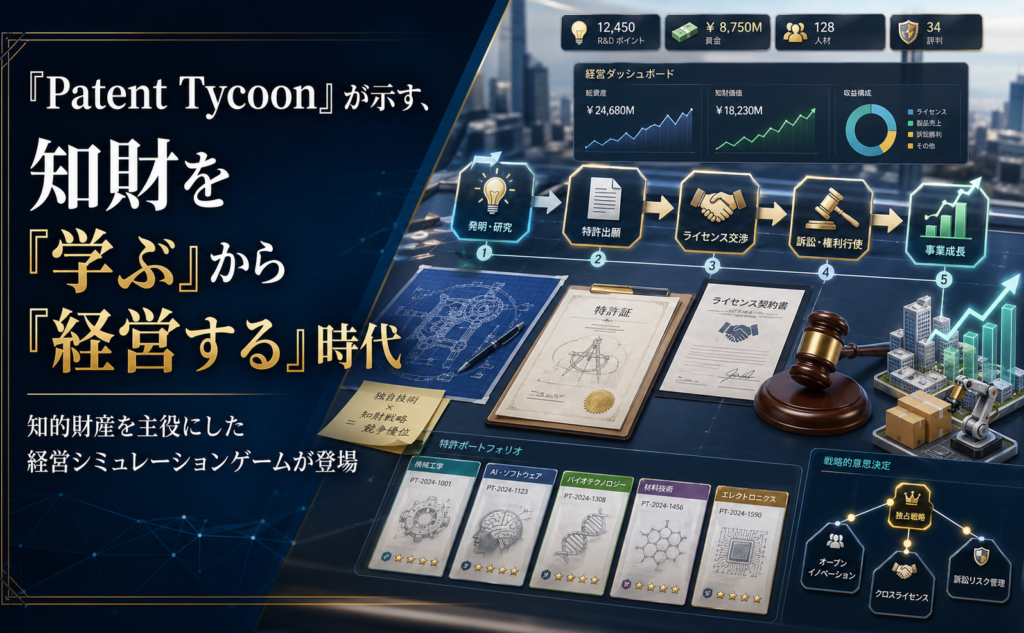
The Era Shown by Patent Tycoon: From “Learning” IP to “Managing” IP
-
AI Has Become “Learnable Intellectual Property” — The New Defense Line in the Era of Model Distillation Revealed by the DeepSeek Issue
-
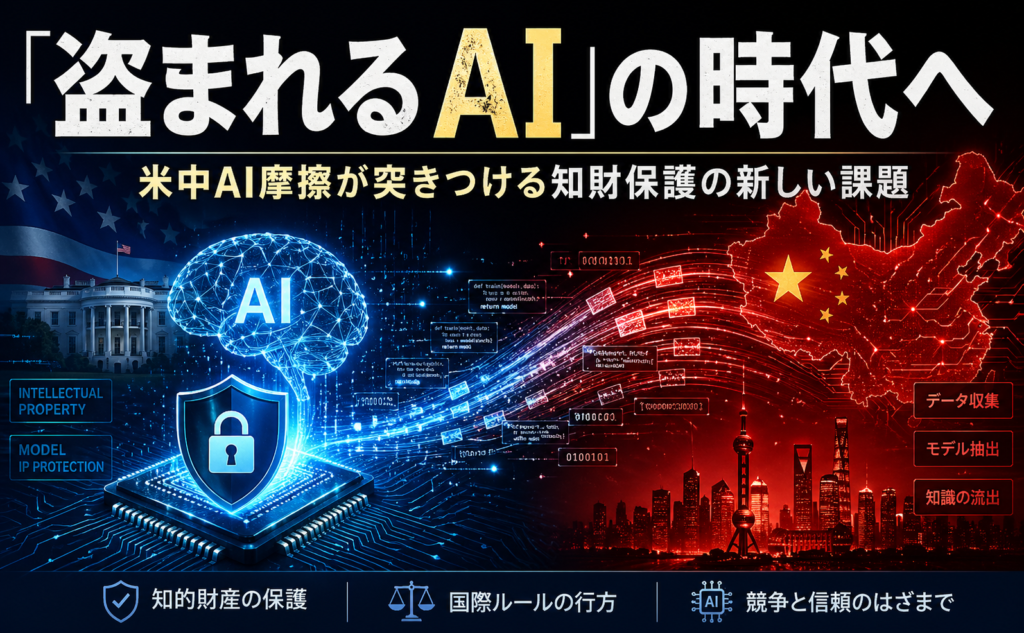
Toward the Age of “Stolen AI” — The New Challenges for IP Protection Posed by U.S.-China AI Friction
-
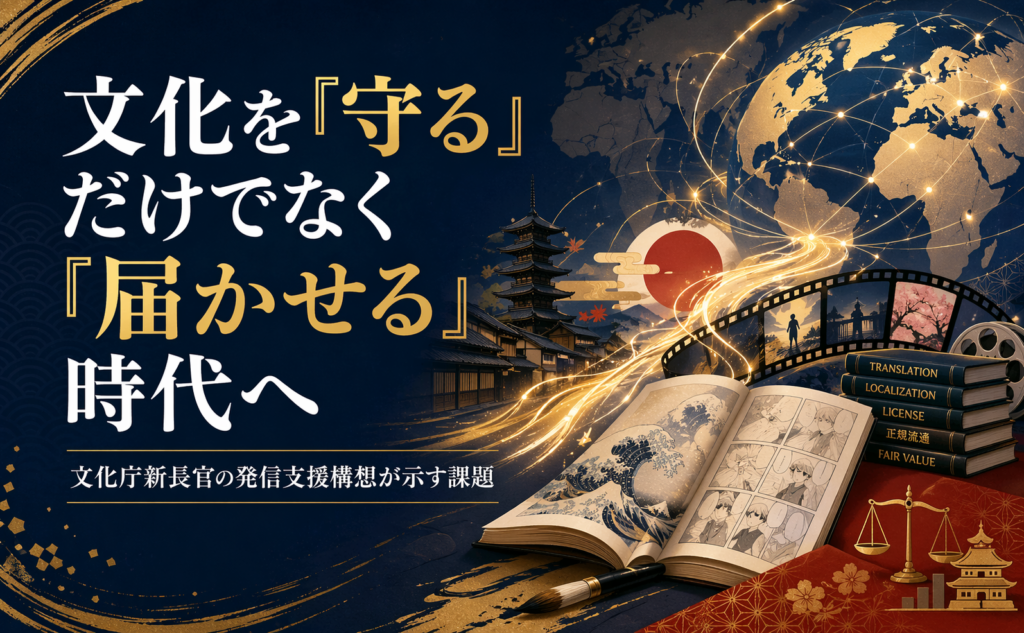
Toward an Era of Not Only “Protecting” Culture but Also “Delivering” It: The Issues Highlighted by the New Commissioner for Cultural Affairs’ Vision for Supporting Cultural Outreach
-
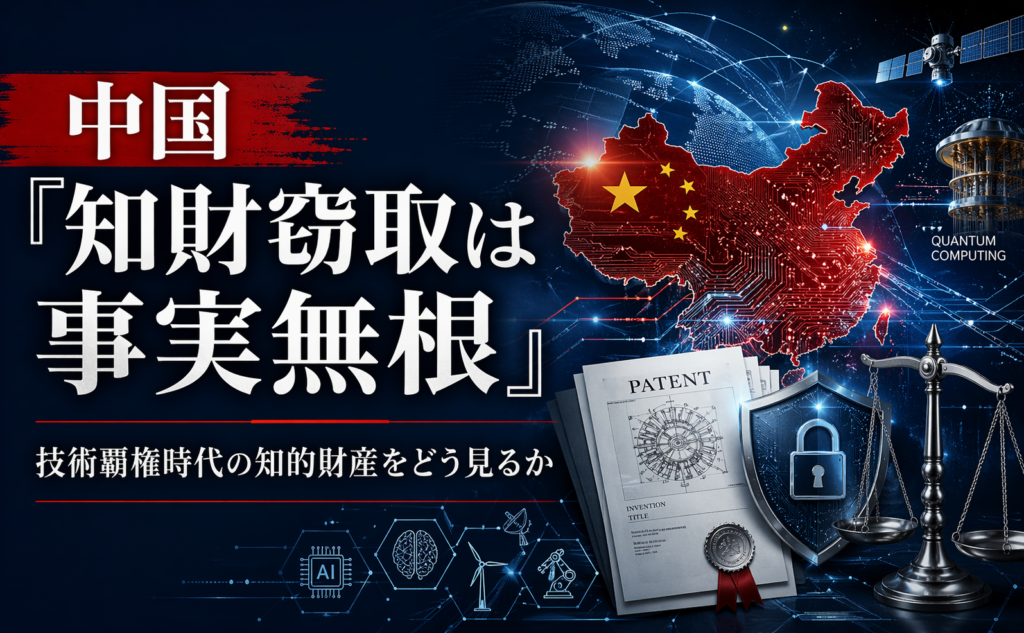
“Claims of IP Theft Are Entirely Baseless”: What China’s Rebuttal Reveals — How Should We View Intellectual Property in an Era of Technological Hegemony?
-
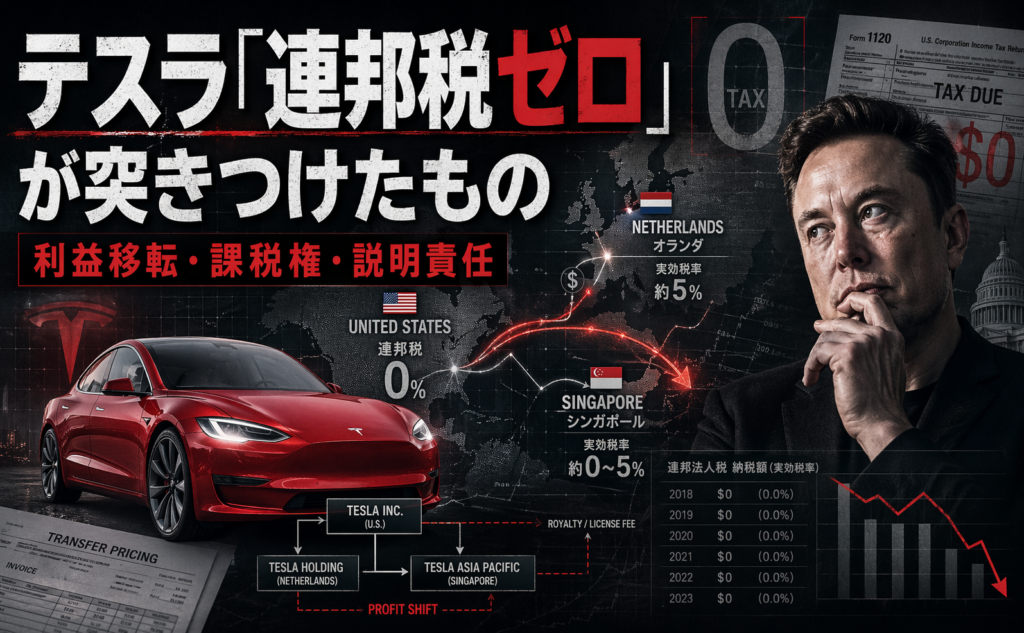
What Tesla’s “Zero Federal Tax” Reveals: How Should We View the Boundary Between Lawful Tax Minimization and Corporate Governance?
-
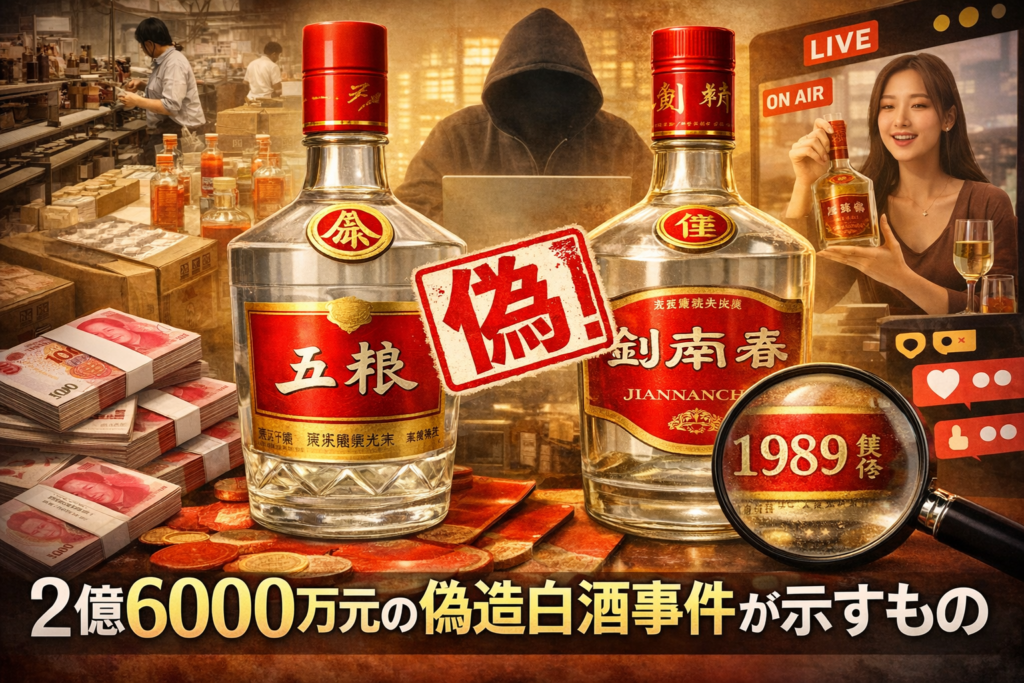
What the 260 Million Yuan Counterfeit Baijiu Case Reveals: A New Battleground in China’s Premium Liquor Market, Live Commerce, and Intellectual Property Protection
-
What South Korea’s “World No. 1 in AI Patents Per Capita” Really Shows: National Strategy and Execution Beyond the Numbers
-
What Toyota’s Intellectual Property Achievement Award Reveals: The Current State of an IP Strategy Integrating Designs, Patents, and Trademarks
-
Design Is Not About “Appearance” but Competitiveness: The Essence of Design Strategy Revealed by Toyota’s Intellectual Property Achievement Award
-
Flea Market Apps Mass-Produce “Small Crimes” — The Risks of the Age of Individual Selling Revealed by the Fake Chanel Logo Case
-
Drug Prices Have Become a Trade Bargaining Chip: A New Phase of Institutional Competition Revealed by the U.S.-UK Pharmaceutical Agreement
-
Color Becomes a Brand — A New Stage for Sports Brands Signaled by Yonex’s Registration of “Blue & Green” as a Trademark
-
The Cox Ruling Is Not About “ISP Immunity”: Why Anti-Piracy Policy Is Shifting from Liability Theory to Blocking Orders
-
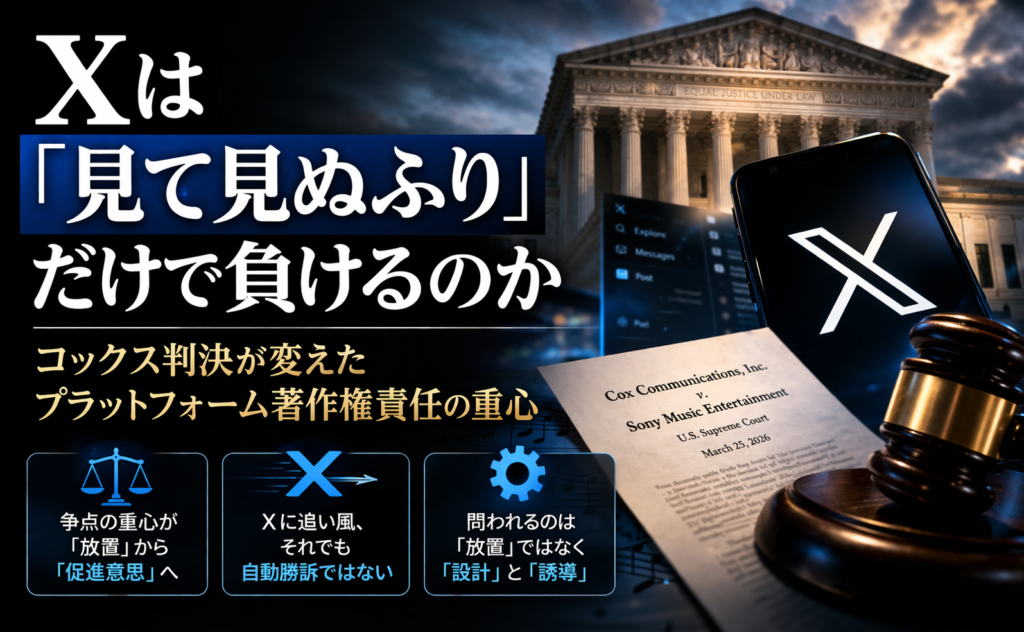
Can X Lose Just for “Turning a Blind Eye”? How the Cox Ruling Shifted the Center of Gravity in Platform Copyright Liability
-
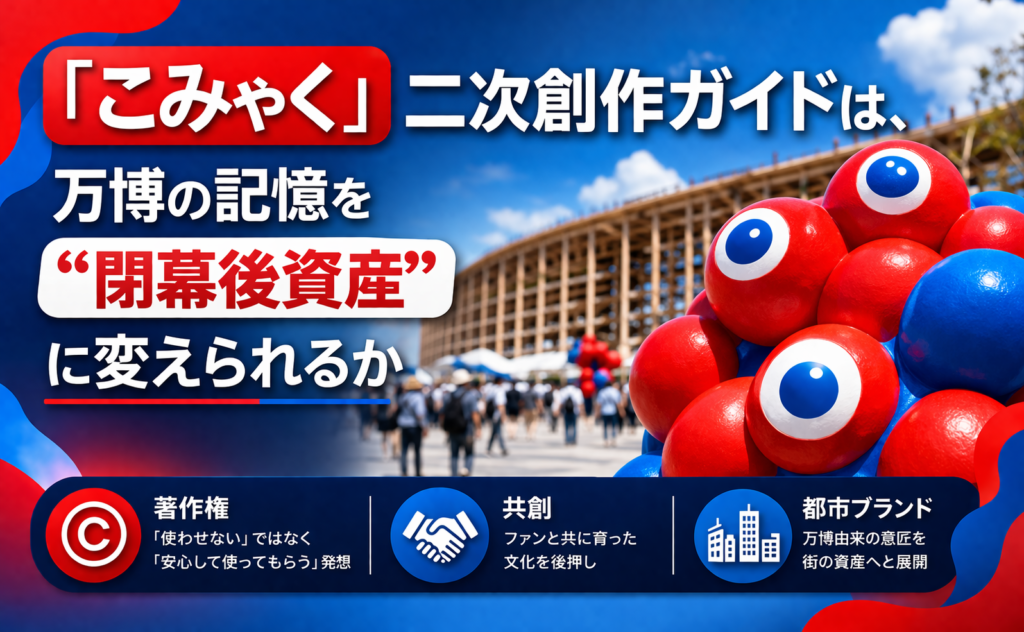
Can the “Komyaku” Fan Creation Guide Turn Expo Memories into a “Post-Closing Asset”?
-
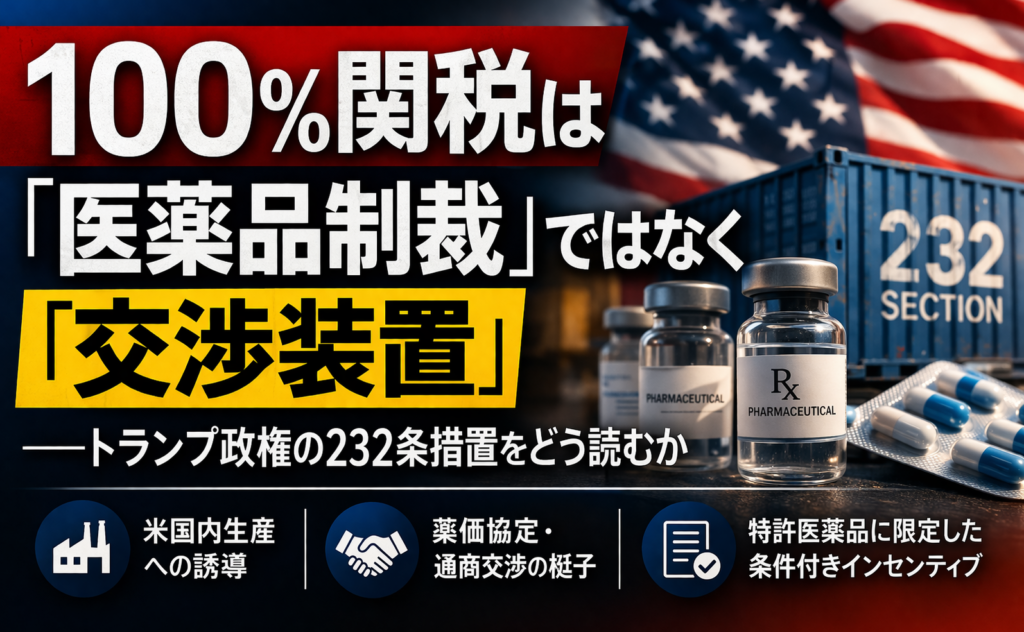
100% Tariffs Are Not “Pharmaceutical Sanctions” but a “Negotiation Mechanism” — How to Read the Trump Administration’s Section 232 Action
-
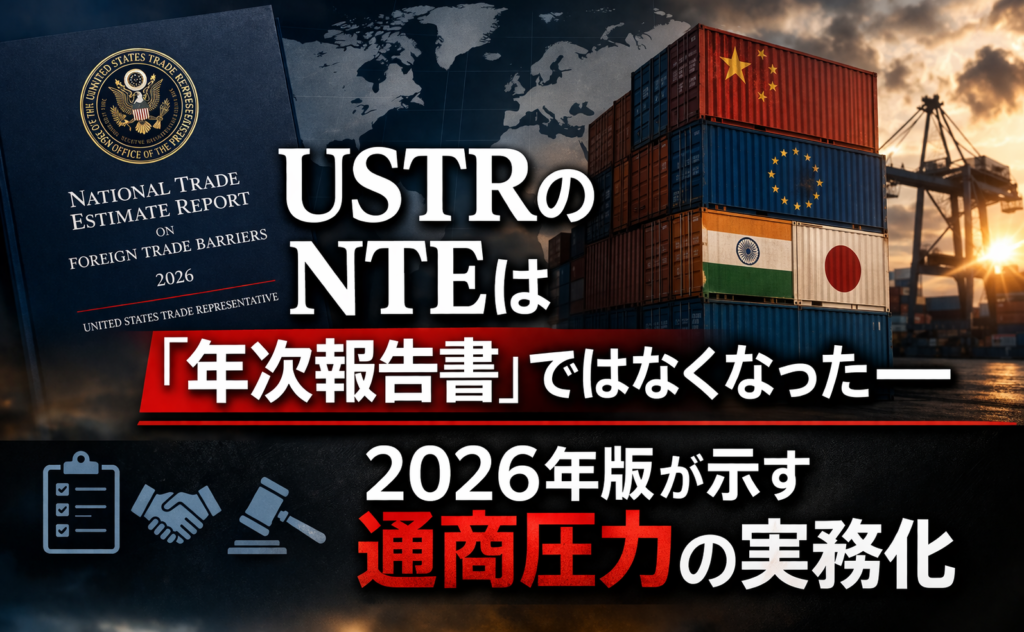
The USTR’s NTE Is No Longer an “Annual Report” — The 2026 Edition Shows the Operationalization of Trade Pressure